Dry conditions raise concerns as New Jersey enters peak wildfire season


Dry weather and ongoing drought conditions have New Jersey officials on alert as the state enters peak wildfire season.
New Jersey has been under a drought warning since December, and with little rain in the forecast, concerns are growing about wildfire risk in the weeks and months ahead.
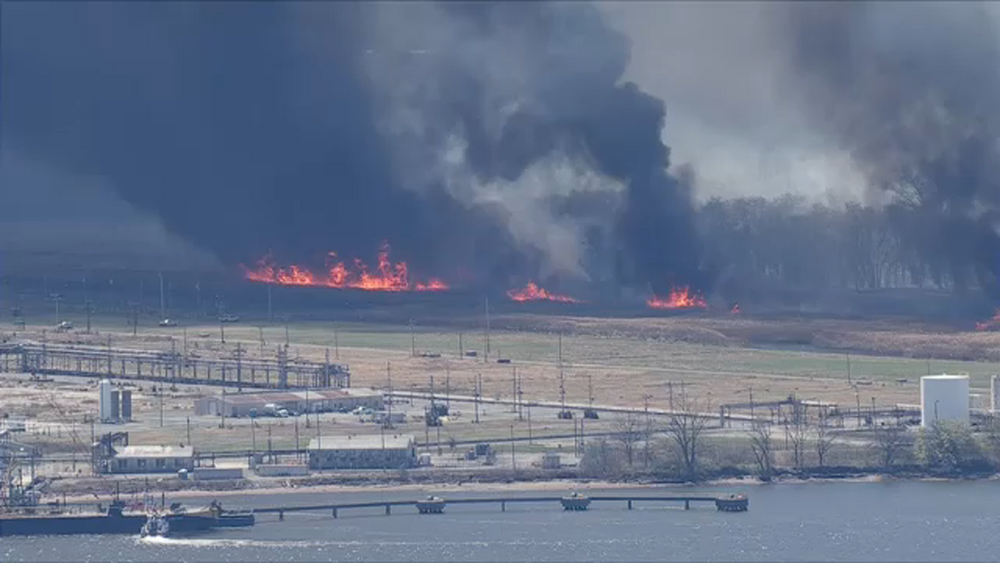
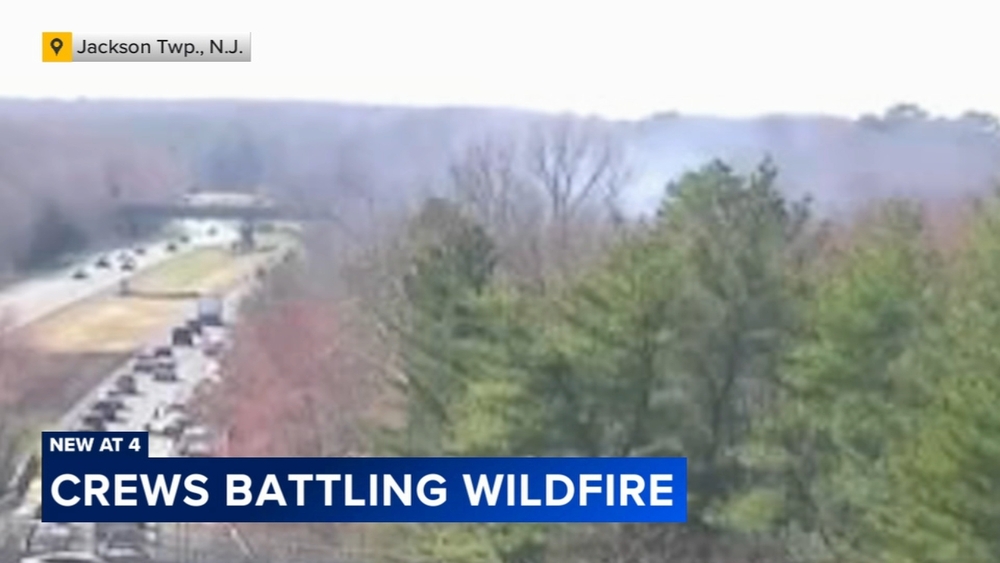
Since the start of the year, more than 200 wildfires have already been reported across the state. While that number is down from 537 fires at this time last year, officials say the dry pattern remains a concern.
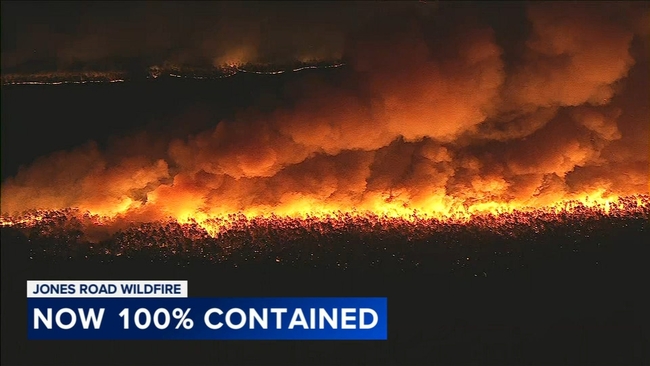
The 2025 wildfire season follows what officials described as an active year in 2024, when more than 1,300 fires burned statewide, including the 15,000-acre Jones Road wildfire last April.
"Many people are surprised to learn that New Jersey's peak wildfire season is in the spring," said Bill Donnelly, chief of the New Jersey Forest Fire Service. "Typically running from mid-March to mid-May, so we're here at fire season right now."
This year's season follows a winter that included a February storm dropping one to two feet of snow across much of the state. Despite the snowfall, meteorologists say it did little to ease drought conditions.
"Even though we did have a lot of snow, the actual water content of that snow wasn't anything atypical," said Ray Martin, senior meteorologist with the National Weather Service. "And the actual amount of rain that we got was below normal. Significantly below normal. So it might have seemed like we had a very wet winter, but actually it was a dry winter."
The snowpack also lingered longer than usual, limiting the number of controlled burns that fire crews could conduct before wildfire season. In most years, crews burn between 20,000 and 25,000 acres. This year, only about 8,600 acres were treated.
"It's very important to be mindful of these realities that we are in peak wildfire season for New Jersey," said John Cecil of the New Jersey Department of Environmental Protection. "What we do with fireplaces, ashes, how we're maintaining the vegetation around our houses, all can matter greatly."
The current drought warning asks residents to voluntarily conserve water. If the governor were to declare a drought emergency, mandatory water restrictions would go into effect.